
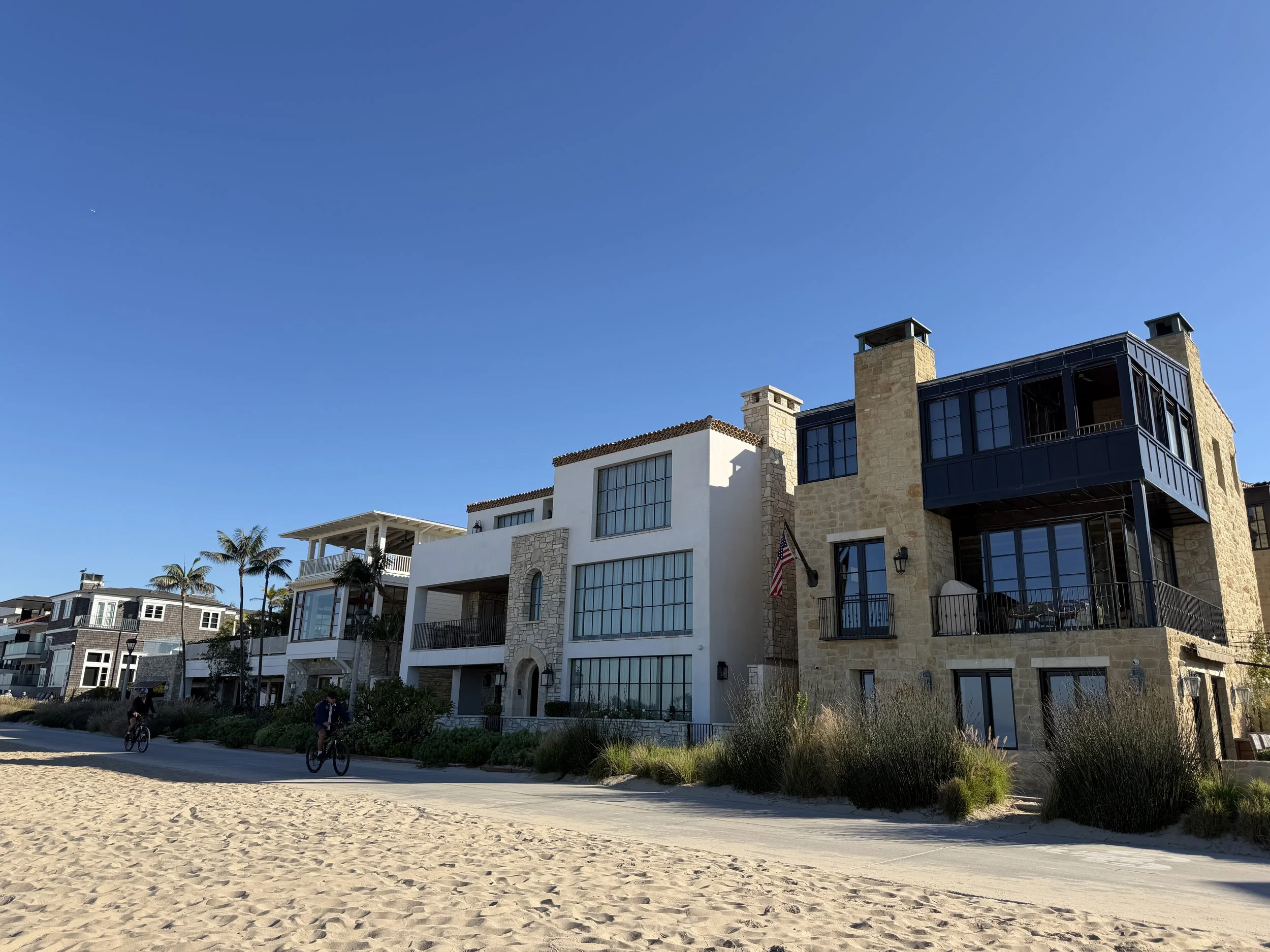
Manhattan Beach Real Estate Market Update April 2026
For April 2026 in Manhattan Beach there were 34 homes sold and 17 new listings, and at the time of this report there are 58 active listings across the city. The median sale price was $3,875,000, the average price per square foot (PSF) was $1,742, and the average days on market was 21. As the Spring market continues, sales activity remains strong, inventory remains limited, and well-priced homes continue to draw serious buyer interest, with the best-positioned properties creating multiple-offer opportunities.
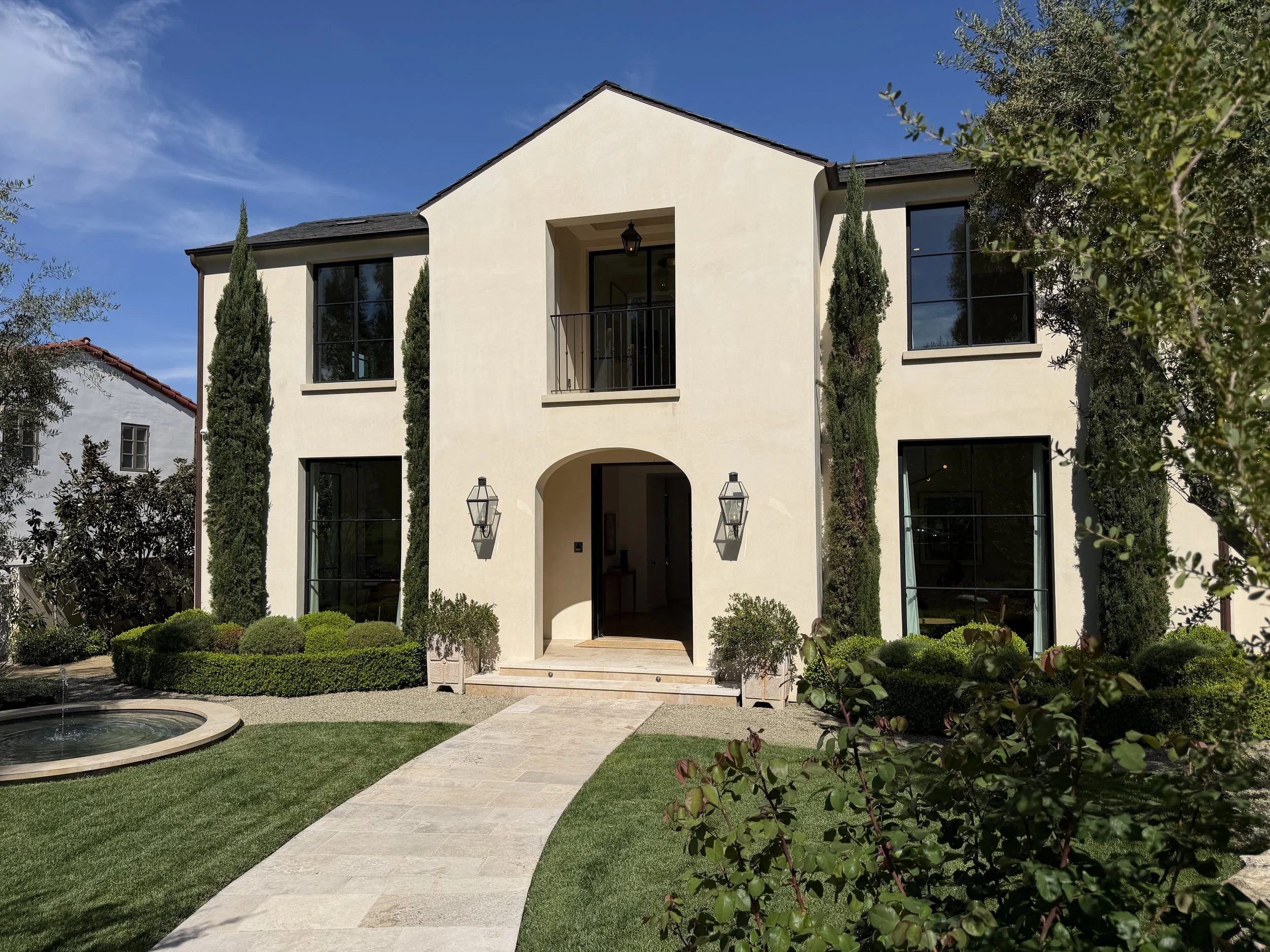
Seller Disclosures in California: What Home Sellers Should Know Before Escrow
Preparing to sell a home in California involves more than pricing, marketing, and negotiations. One of the most important parts of the process is the seller disclosure package, which gives buyers a clear understanding of the property’s history, condition, improvements, and any known material facts that could affect the value or desirability of the property.
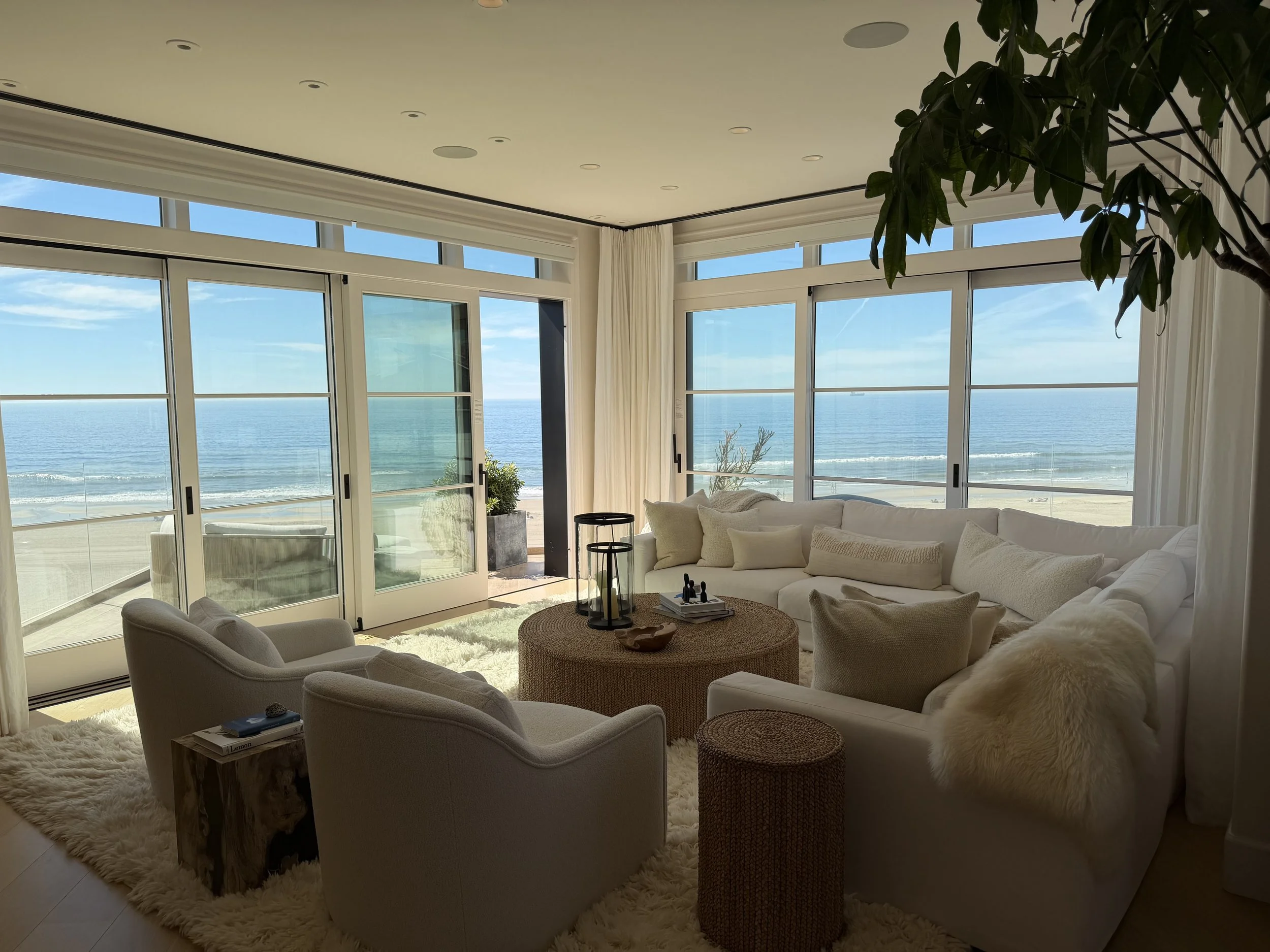
Is Manhattan Beach Real Estate a Good Investment?
For many buyers, Manhattan Beach real estate is evaluated through two lenses: lifestyle and long-term market performance. The city’s coastal location, highly regarded schools, proximity to Los Angeles, and historical appreciation data have made it one of the more closely watched housing markets in the South Bay.
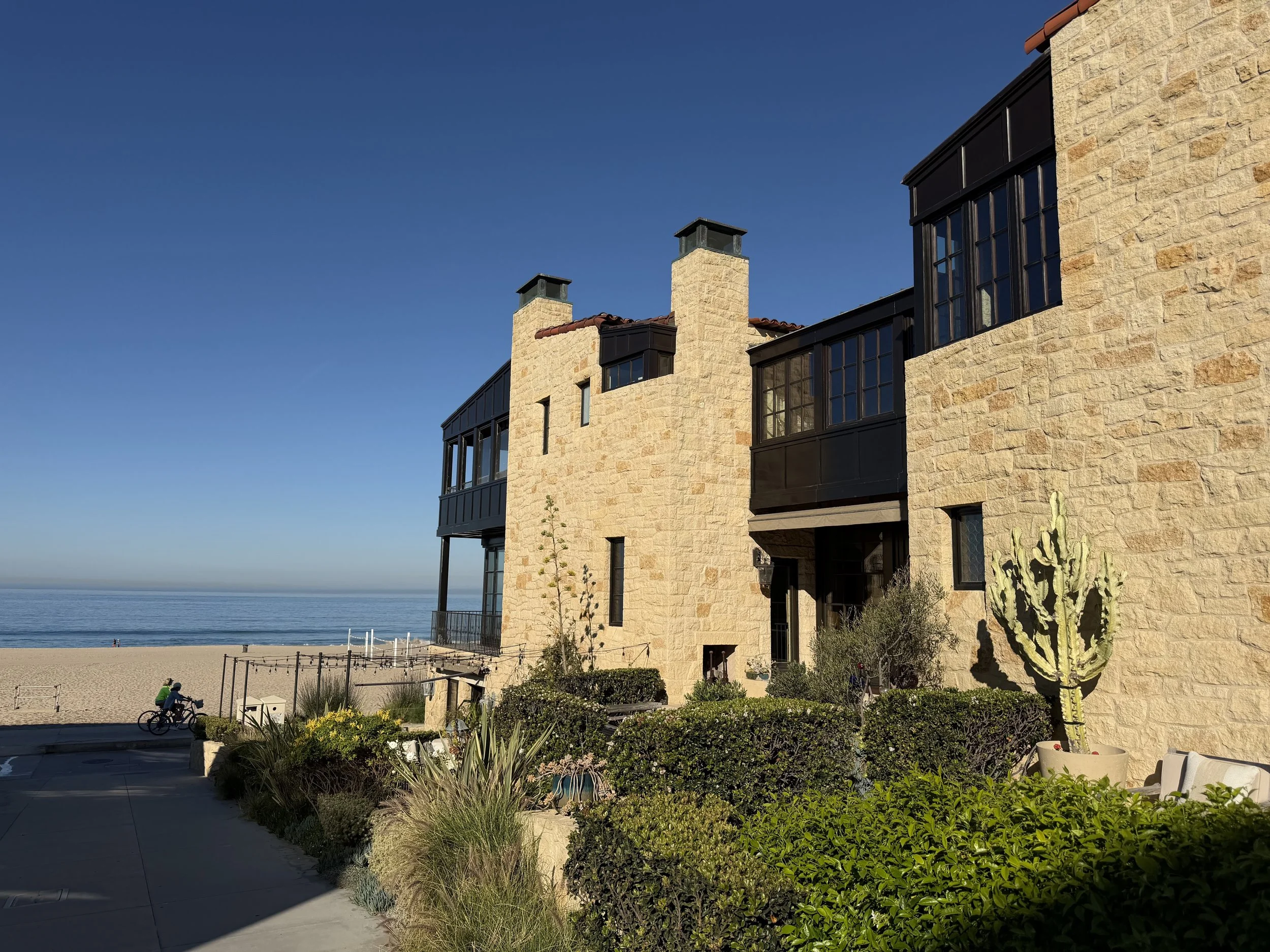
The Complete Guide to Getting a Home Loan in California
What Buyers and Sellers Need to Know About the Financing Process
Whether this is your first home sale or purchase, or it has simply been a while since your last one, it’s easy to forget just how many moving parts are involved.
Understanding how the loan process works is important for everyone involved. For buyers, it creates clarity around what to expect, how to prepare, and what will be required along the way. For sellers, it offers helpful insight into how financing works behind the scenes, what makes an offer stronger, and what key milestones matter once escrow begins.

Marble in Residential Homes: What You Should Know Before Choosing This Timeless Stone
Marble has a long history in architecture and design, and it continues to be one of the most admired materials used in residential homes.
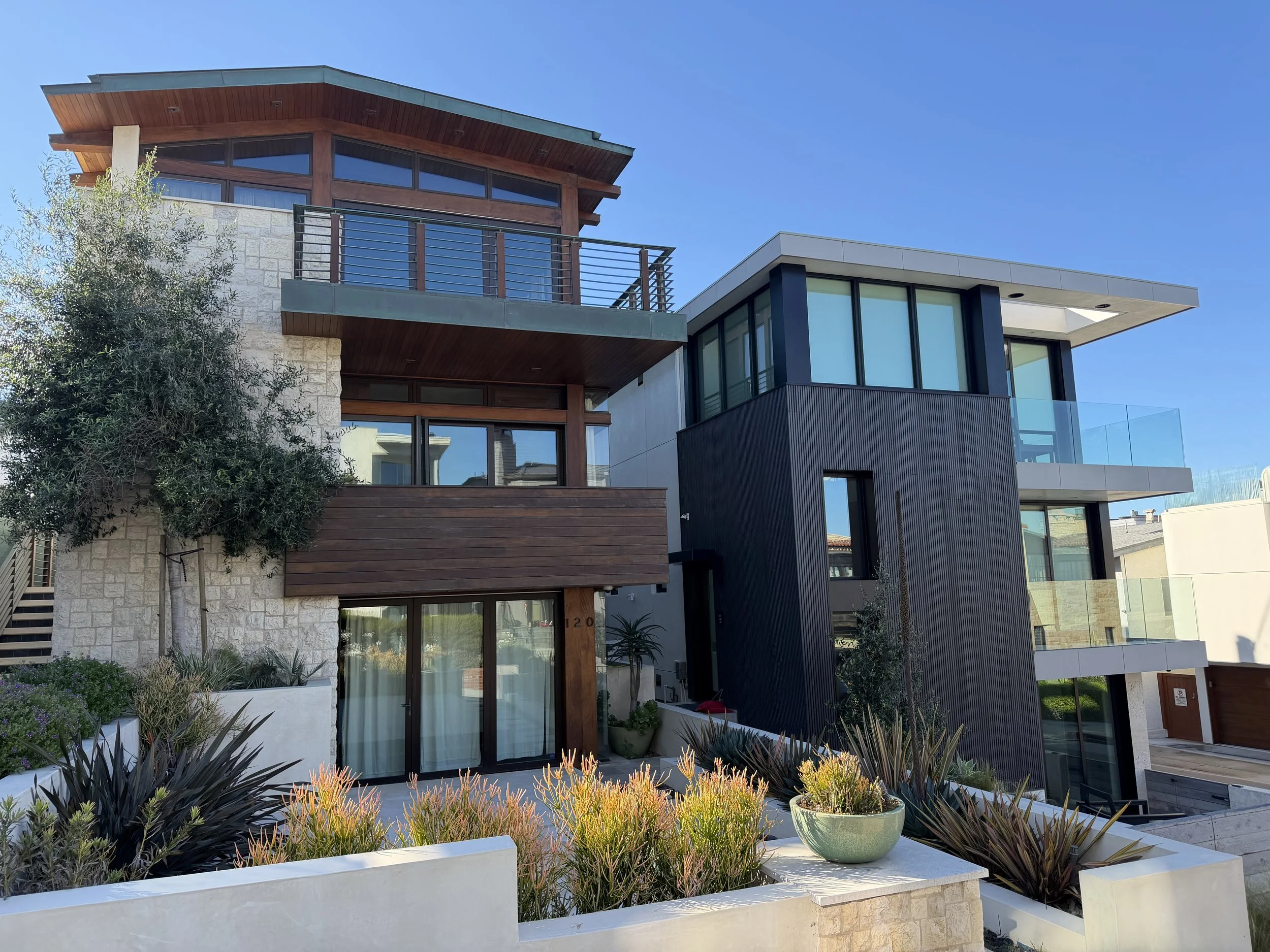
Manhattan Beach Real Estate Market Update February 2026
For February 2026 in Manhattan Beach there were 26 homes sold and 28 new listings, and at the time of this report there are 55 active listings across the city. The median sale price for February was $3,900,000, the average price per square foot (PSF) was $1,689, and the average days on market was 36. With steady new inventory entering the market and buyer activity remaining consistent, competitively priced homes continued to see strong engagement.
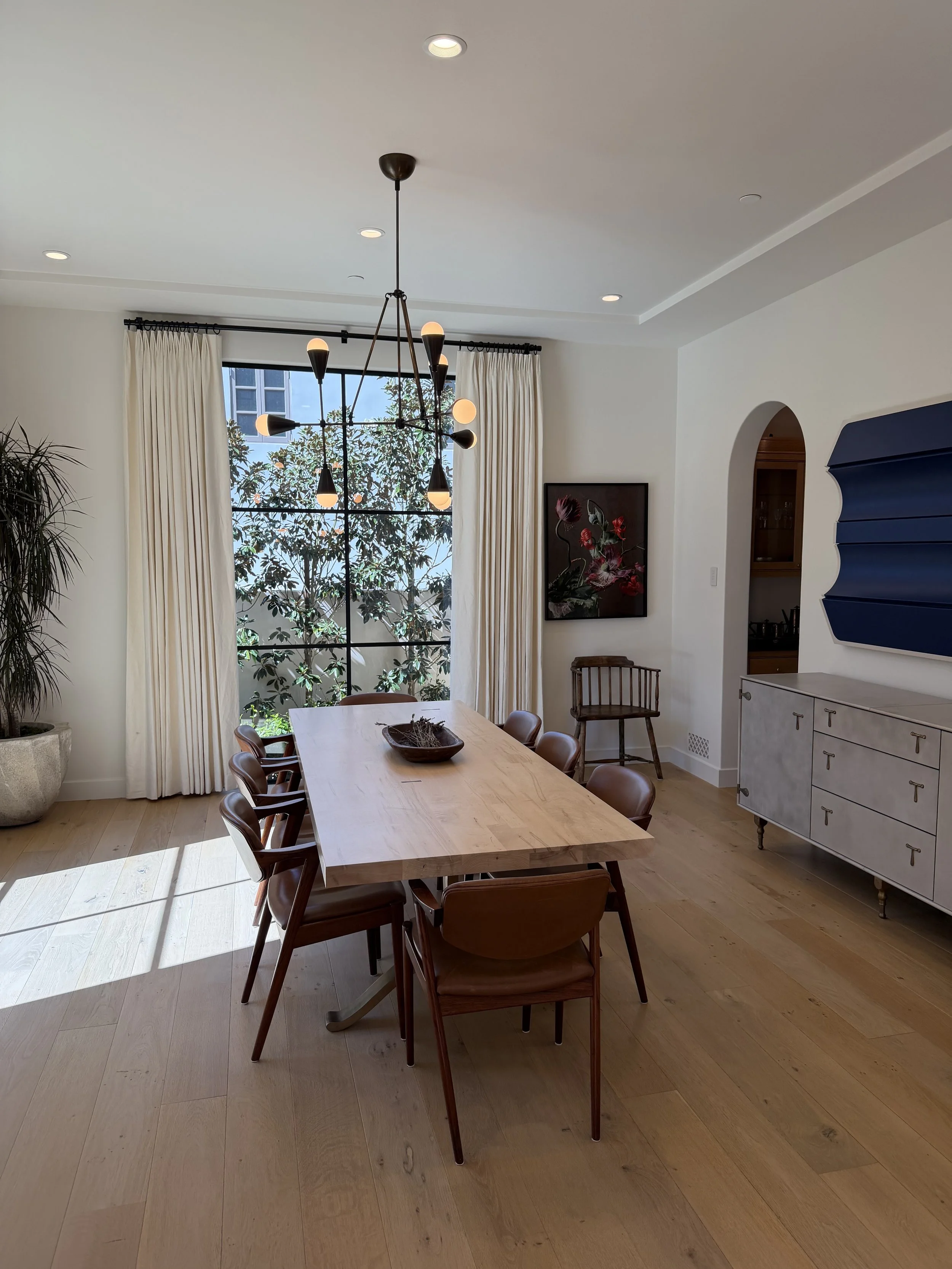
The Most Sophisticated Hardwood Floors and Cabinet Woods Used in Luxury Homes
When building or renovating a home, the type of wood used for flooring and cabinetry plays an important role in both durability and overall design. Different wood species vary in grain, color, hardness, and character, which influences where they are best used and how they shape the feel of a home.
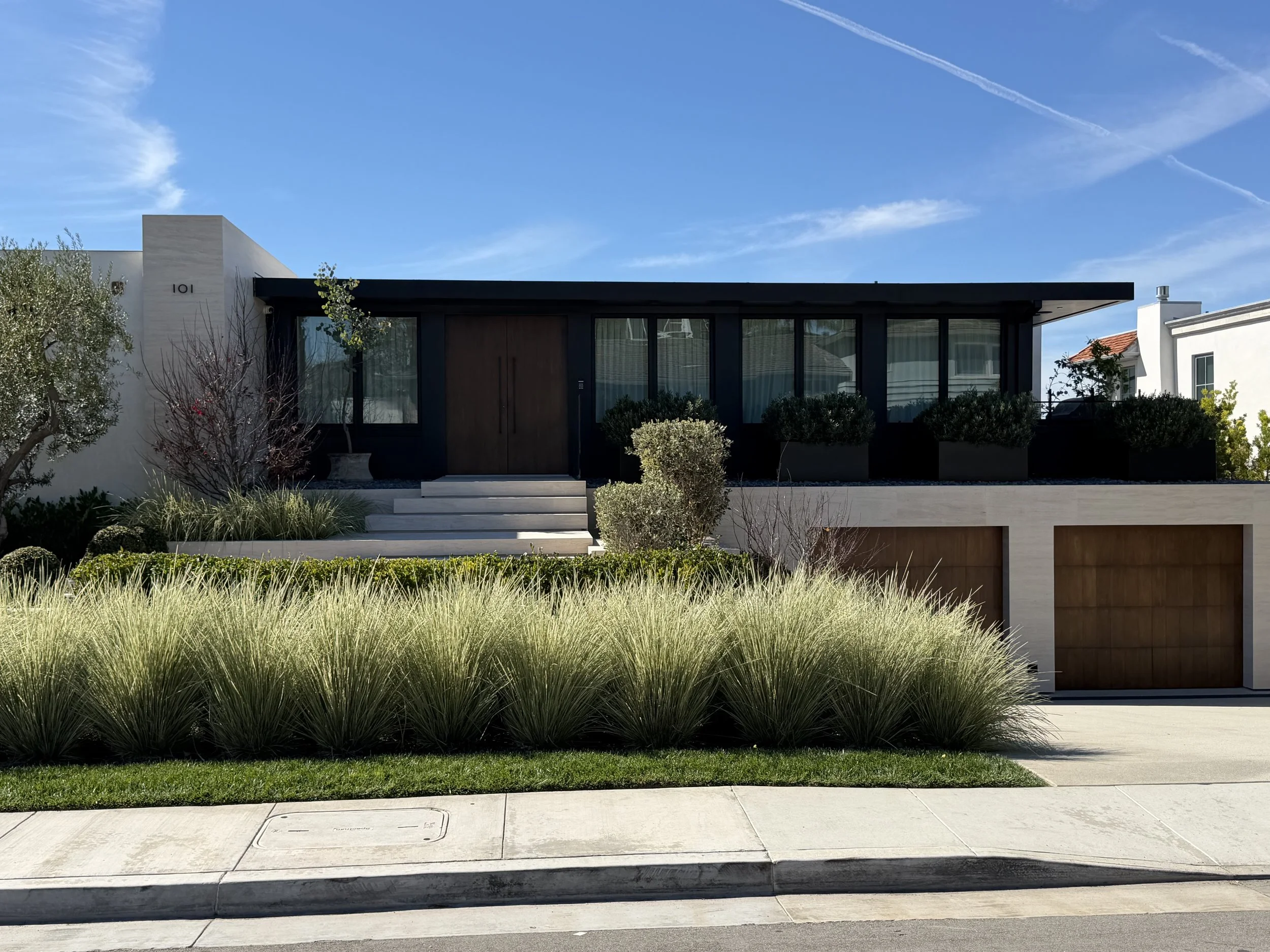
You Rented a Home in Manhattan Beach - Now What?
Welcome to Manhattan Beach! Congratulations on renting your new home in this beautiful coastal community. Whether you are here for a new job, our amazing school district, or simply to enjoy the beach lifestyle, the excitement does not end once the lease is signed. Now begins the journey of getting settled, learning how your rental is managed, and setting yourself up for a smooth tenancy from day one.

What Is a Move In Inspection (MII)? A Guide for Renters
If you are renting a home or apartment in California, one of the first documents you will complete before receiving the keys is the Move In Inspection, commonly called the MII. Many renters are unfamiliar with this form, but it plays an important role in protecting both tenants and landlords throughout the lease.
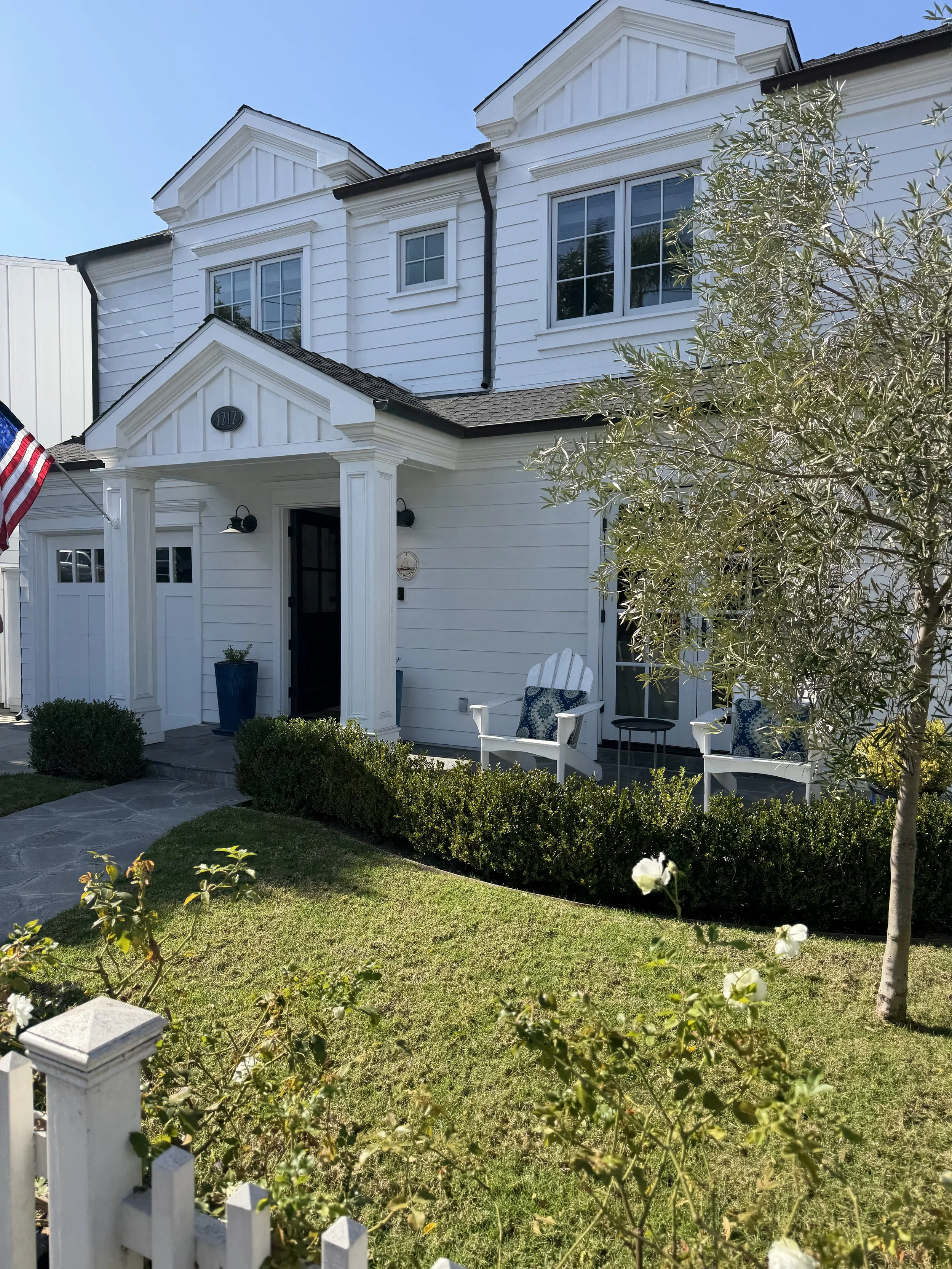
Manhattan Beach Real Estate Market Update January 2026
For January 2026 in Manhattan Beach there were 14 homes sold and 22 new listings, and at the time of this report there were 42 active listings across the city. The median sale price was $3,880,000, the average price per square foot (PSF) was $1,425, and the average days on market was 61. With only 22 new listings and 42 homes actively for sale, well positioned properties continued to draw significant buyer interest.
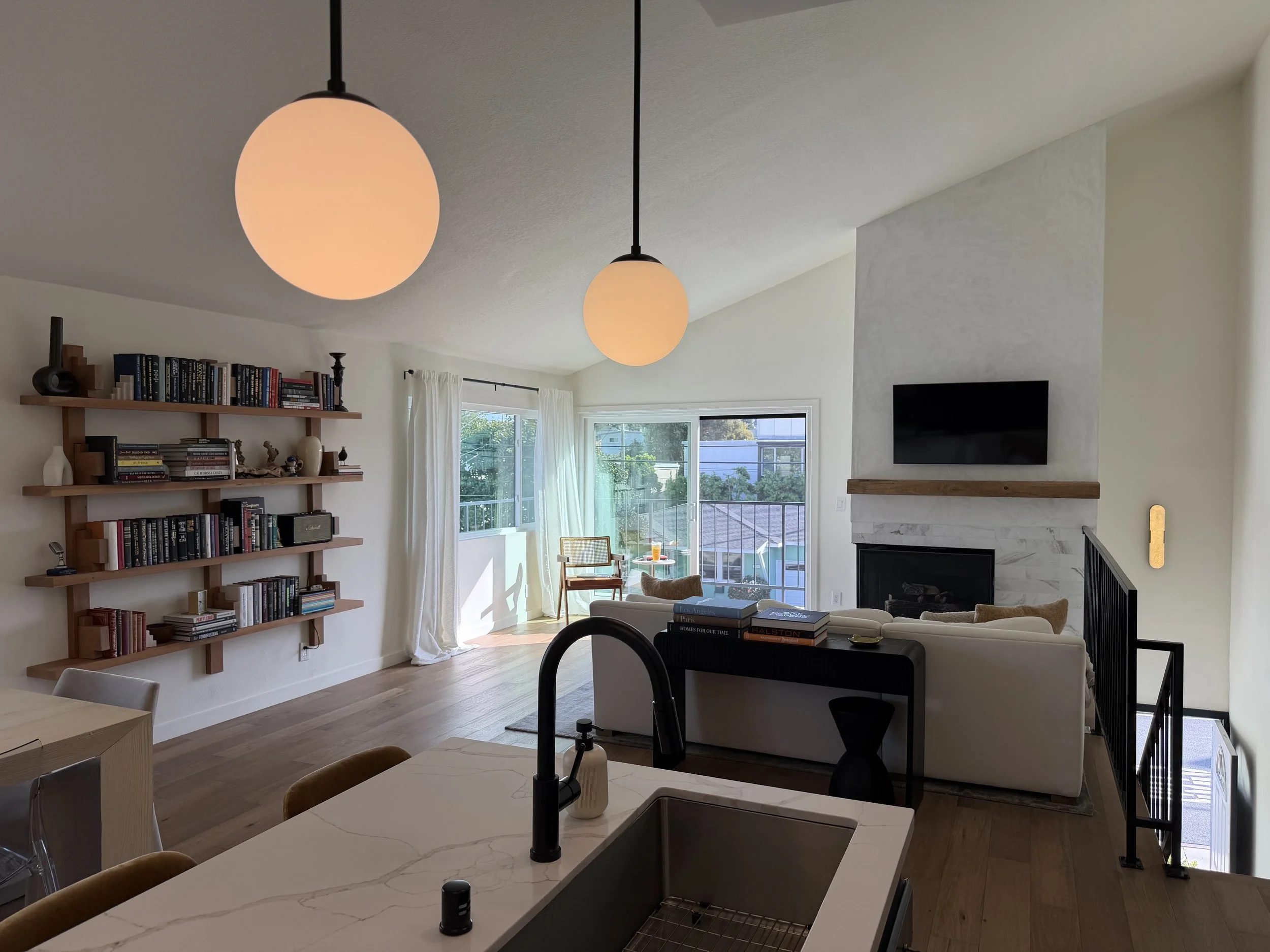
Security Deposit Limits in California for Rental Properties
Just as a reminder, as of July 1, 2024, California updated its security deposit rules for residential rentals. These changes are part of California Civil Code section 1950.5, as amended by AB 12, and they significantly changed how much landlords can collect at move-in.
For most landlords, the maximum security deposit you can collect is equal to one month’s rent. This applies to residential rental properties whether they are furnished or unfurnished.
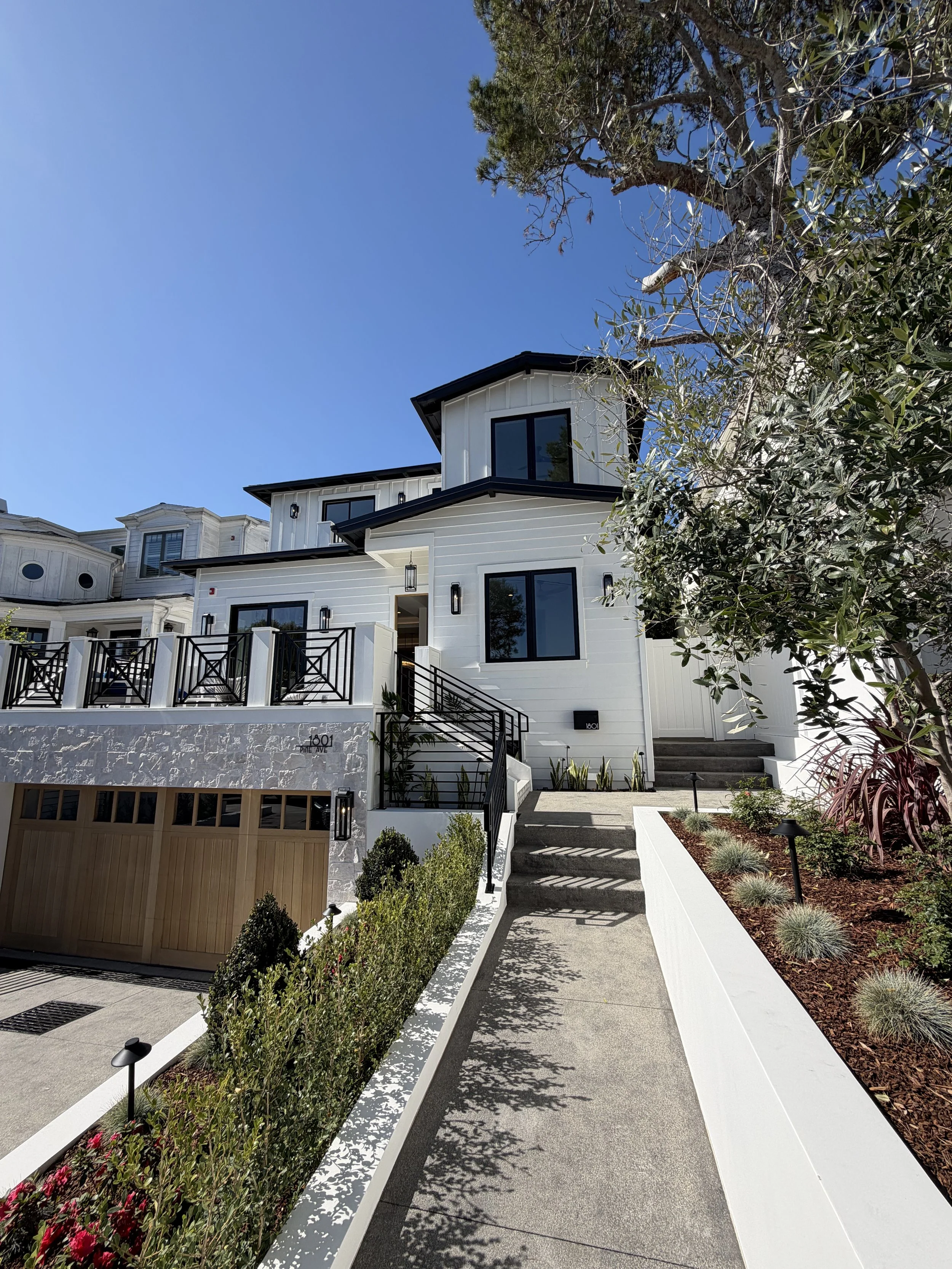
Thinking About Renting Out Your Property or Buying an Investment Rental in Manhattan Beach? Understand AB 1482 First
If you are considering renting out your Manhattan Beach home or purchasing an investment property to lease, one of the first things to understand is how California’s statewide Tenant Protection Act, commonly referred to as AB 1482, may apply.
Manhattan Beach does not have local rent control. That often leads owners and investors to assume there are no rent caps here. However, AB 1482 is a statewide law, and depending on the property, it can limit rent increases and affect termination rights.
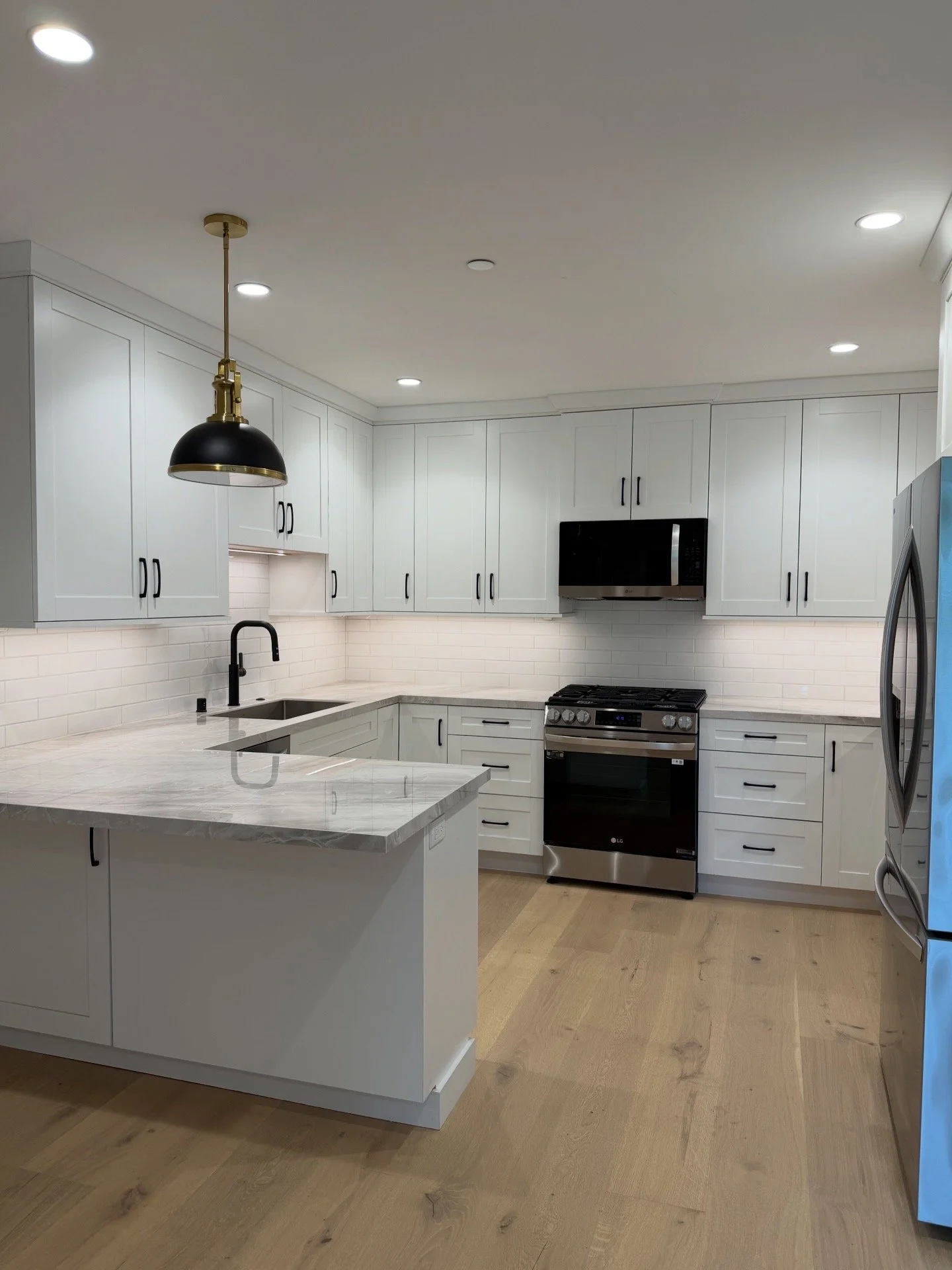
California’s New ADU Laws and What They Mean for the South Bay
Accessory dwelling units are not trending by accident. Over the last two years, California has continued to tighten statewide rules that limit local barriers, speed up permitting, and expand what can be built on both single family and multifamily properties. Several of the most practical changes for everyday property owners took effect in 2025 and again on January 1, 2026. In a coastal city like Manhattan Beach, those changes interact with local zoning rules and the coastal development process, which means the experience here can be different from what owners see in inland cities.

Manhattan Beach Real Estate Market Update December 2025
For December 2025 in Manhattan Beach there were 23 homes sold and 36 homes for sale. The median sale price was 3,000,000 dollars and the average days on market was 38, showing that well priced homes are still moving in a relatively short amount of time.
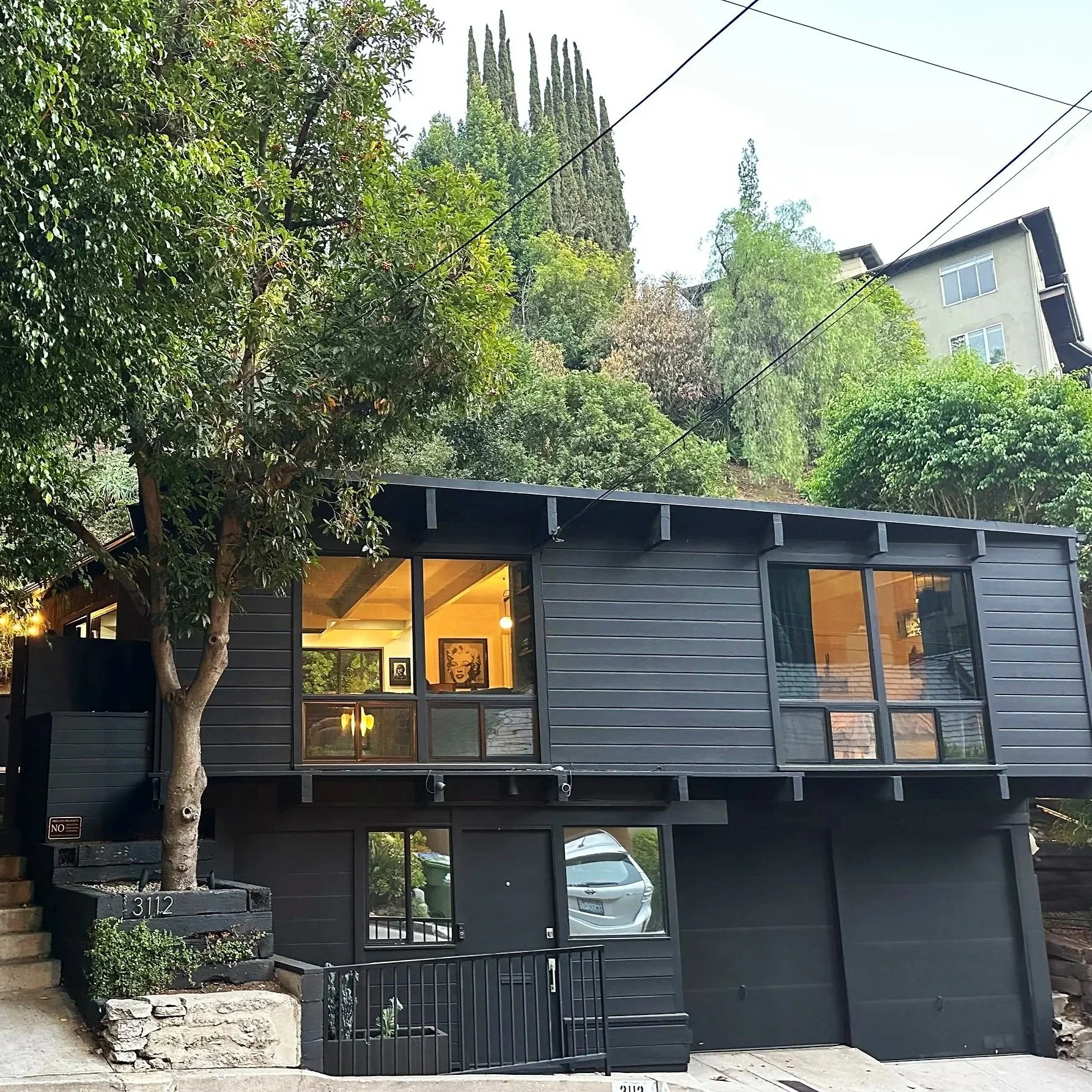
All the Buzz in the Press About 50-Year Mortgages
The possibility of a 50 year mortgage has become a major topic across news outlets, social platforms, and financial commentary. Buyers are hearing about it everywhere and are asking whether extending a loan across five decades could be a realistic path to affordability. The idea seems simple. Lengthen the repayment period and lower the monthly payment. The details, however, reveal a very different picture.
New California Rental Appliance Law - Effective January 1, 2026 (AB 628)
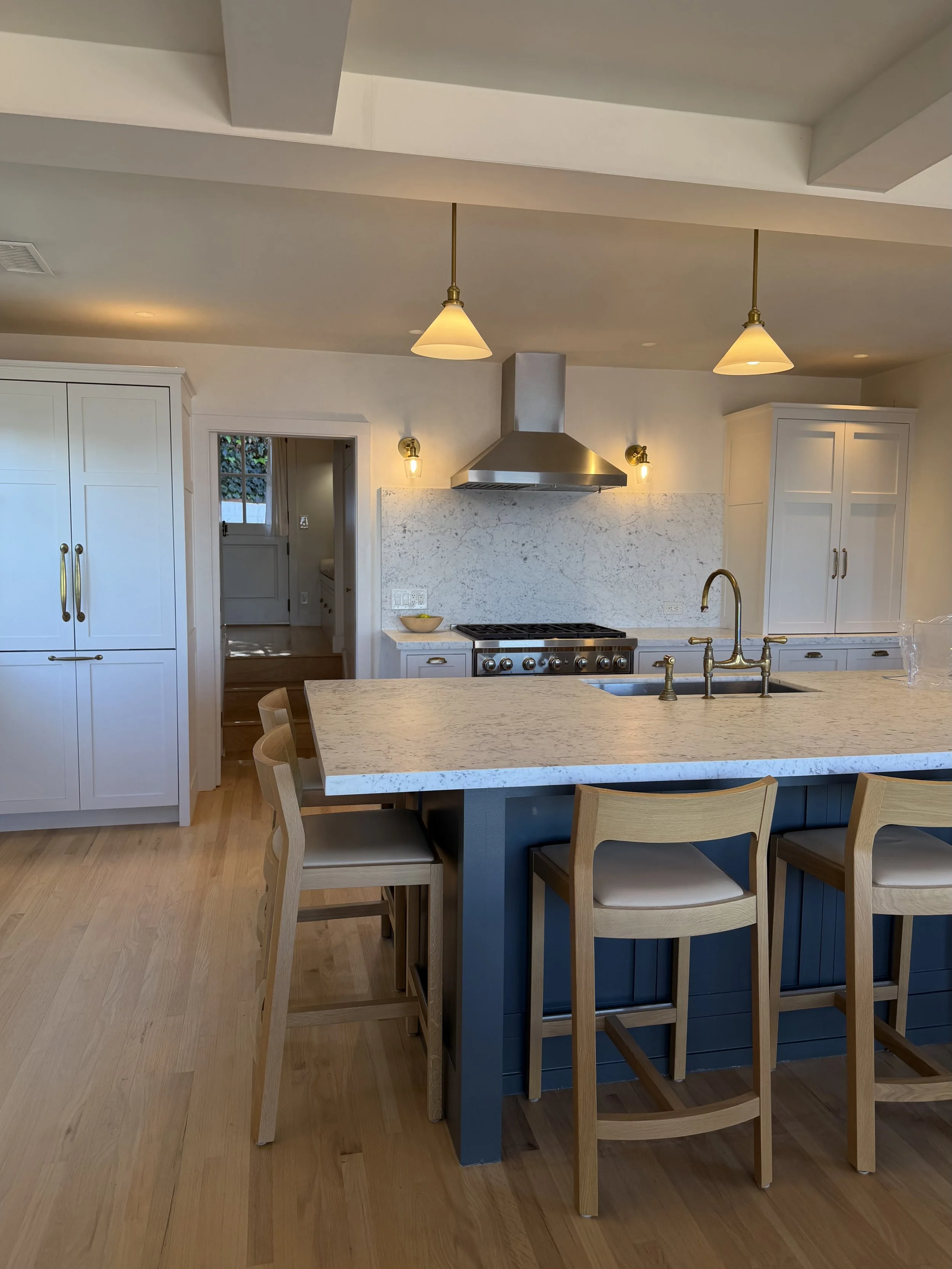
If you own a rental property anywhere in California, whether it is a condo you hold as an investment, a townhome in Manhattan Beach, or a single family home you have been leasing for years, there is an important statewide update you should know. California has enacted a new habitability requirement that becomes effective January 1, 2026, and it applies to every residential landlord in the state.

A Buyer’s Guide to Closing Costs
Most buyers begin their search focused on the purchase price, yet the true cost of buying a home includes several additional expenses that appear at closing. Closing costs are a routine part of every transaction, and buyers who understand them early are better prepared to make confident decisions. Lindsay Woolf and Josh Woolf bring clarity to this part of the process by helping buyers see the complete financial picture before moving forward.
When financing is involved, the lender provides a breakdown of projected expenses. These figures outline the cost of originating the loan, the services required to support and verify the file, and the charges associated with transferring ownership. Lindsay and Josh help clients interpret these details so they can evaluate the financial commitment with accuracy and ease.
Understanding Fannie Mae and Freddie Mac
Most people hear the names Fannie Mae and Freddie Mac and assume they are individuals or private lenders. They are not. They are two of the most influential institutions in the American housing finance system, yet their work often happens entirely behind the scenes. Having a clear understanding of who they are and how they operate gives you a meaningful advantage as a buyer, seller, or homeowner.
Real Estate Fraud Is Surging Across California
Lindsay Woolf and Josh Woolf are real estate professionals serving the South Bay and Los Angeles. With fraud reports increasing across California, we believe it is important for buyers, sellers, and homeowners to stay informed about common scams affecting real estate transactions. Recent alerts from the California Association of REALTORS® also known as C A R and the National Association of REALTORS® also known as N A R highlight several types of fraudulent activity consumers should be aware of.
Below is a general overview of these scams and steps you can consider when making real estate related decisions.

What’s the Difference Between a Real Estate Agent and a Broker?
Within the real estate industry, the terms agent and broker are often used interchangeably, which creates understandable confusion for buyers and sellers. The distinction may seem subtle, but these roles serve different functions and shape how your transaction is supported from beginning to end.
Lindsay Woolf and Josh Woolf often see this misunderstanding during conversations with clients, so we wanted to clearly explain what each role means and how they work together within a brokerage.